Witches
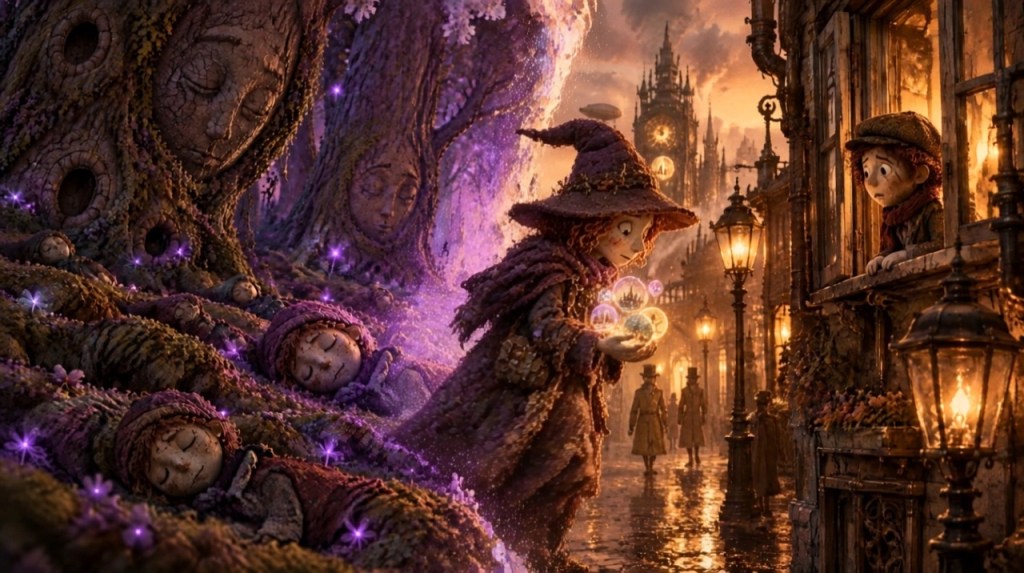
Burglars of memory. They walk into a sleeping self that isn’t theirs and carry its memories away, leaving the owner standing, unaware, and less than they were.
What they take
Memories are the lifeblood of a soul. A witch rides a thin spot into a sleeping self that isn’t hers and takes memories from it. Not a copy. A taking.
The owner is left standing and never the wiser: still themselves, still whole enough to wake up on time. But quietly less. A warmth they can’t name is gone, and a recognition will now never land. No witch robs the same sleeper only once.
The theft is invisible, because what’s stolen is the thing you’d need in order to miss it.
The jars
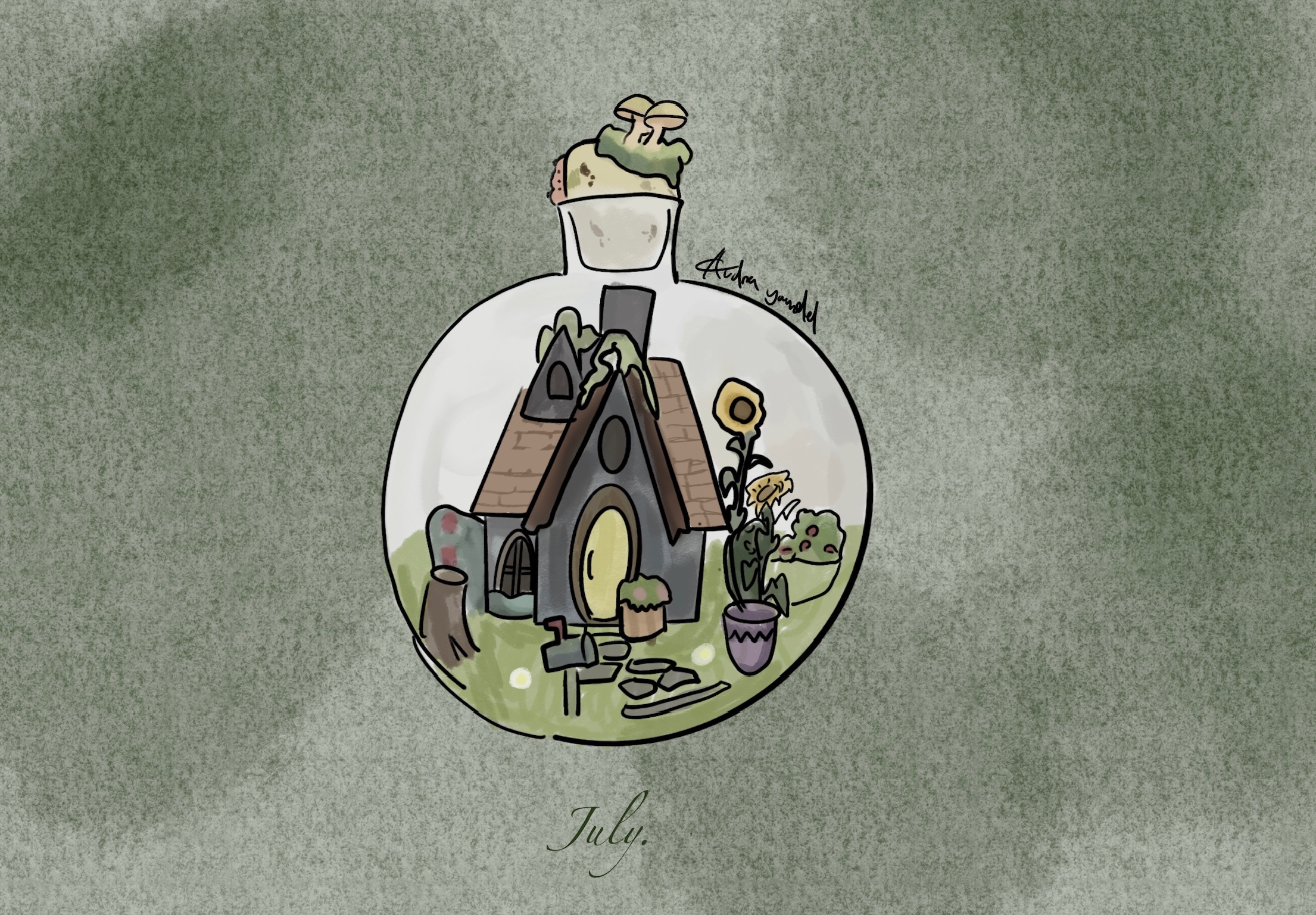
What witches take, they bottle. Sealed in glass, a stolen memory grows into its own small world: a house of memory, one dwelling with a single warm-lit doorway. Left on a shelf, the jar ages. Moss creeps over the cork, and the older the memory, the more overgrown its jar.
The choicest takings are moments of contact, two selves recognizing each other in one dream. Witches name each jar for the month it was taken, so a collection reads like a calendar of other people’s recognitions. Every jar on the wall is a hole in somebody’s soul.

A witch, and a Hollow
A witch takes memories and leaves the self. A Hollow takes the self. A witch leaves you less than you were; a Hollow leaves nothing that was you at all.
Can they be fought?
Caul says they can.